Practical insights, legal updates and analysis from practice — by JUDr. Zuzana Vlková, PhD.
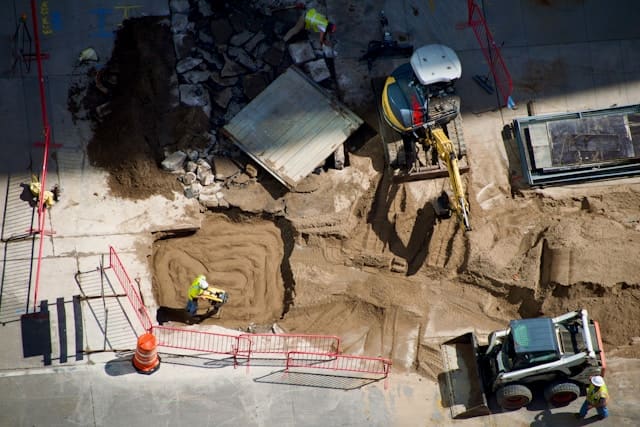
This article explains in detail the obligations of builders and site managers when protected finds are unexpectedly discovered, under the new Slovak Building Act. It defines three categories of protected items: items of heritage value, archaeological finds (including military material pre-dating 1946) and specially protected parts of nature (habitats, trees, fossils). The text provides a clear list of the five basic obligations on the construction site, examines the process by which the building inspectorate issues a decision to stop the works, and highlights the fines of up to €3,000 for the site manager.
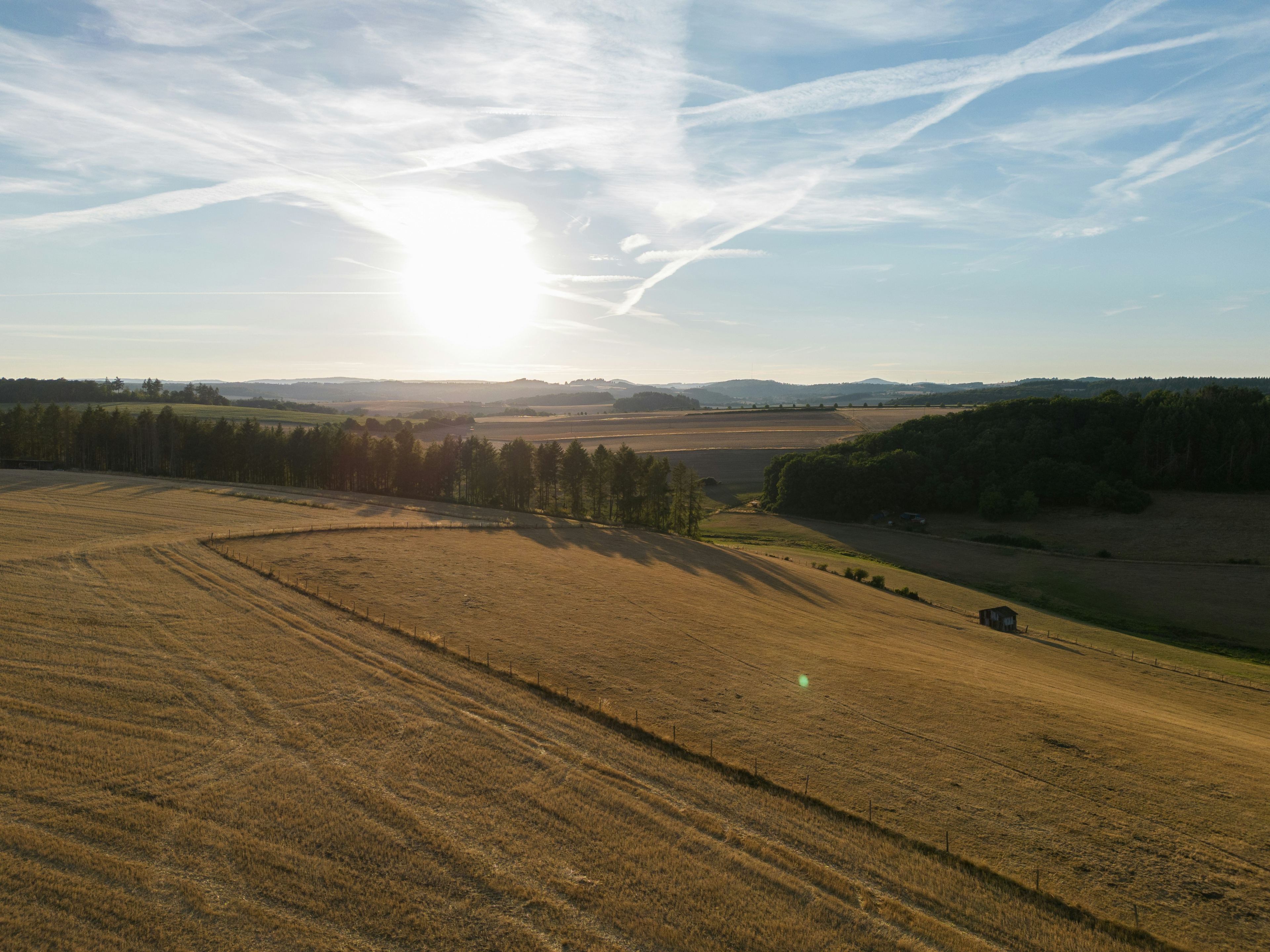
This article (Part 2) follows on from the previous overview of hidden risks when buying land. The author examines in detail 8 main risk factors that lie outside the records of the Land Registry. The text covers the risks of long-term agricultural land leases, procedural and financial delays where archaeological sites are present, the transfer of liability for unauthorised structures to the new owner, and blocks in favour of public-benefit constructions through territorial reserves. It further analyses the strict regulation and levies applicable to high-quality soils, building limits (façade, height, fencing) in protected areas, the geometric limits of narrow or irregular plots, and the financially demanding remediation of environmentally contaminated soil near industrial zones. The article closes with a list of further associated risks (network capacity, noise, groundwater), which likewise pose risks when buying land.
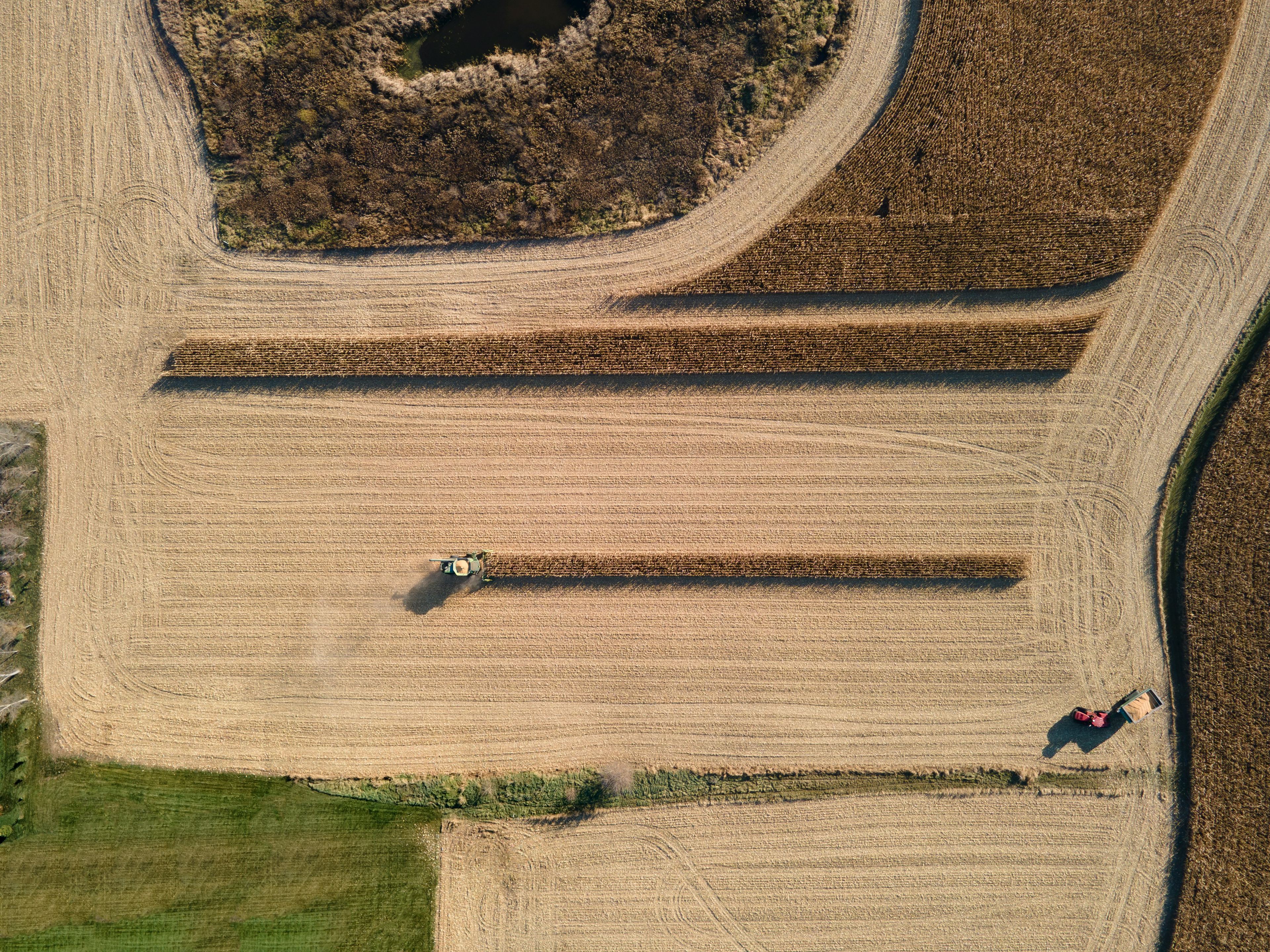
This overview article (Part 1) describes the problem areas that can block a construction project even though the plot looks trouble-free on the title deed. The author identifies the key risks, including a missing legal title to the access road, building restrictions in the protection zones of utilities, railways or airports, and environmental limits in the form of biocorridors or flood zones. The text also highlights historical defects (breach of co-owners' statutory pre-emption right, unresolved restitutions), conditional buildability under the zoning plan, and the socio-spatial factors of the locality. Its aim is to make the case for a preventive legal audit of a property before its purchase.

What is the difference between a right of passage on foot and by vehicle across land? An explanation of the differences in the content and scope of the entitlements, with practical examples.

This article is an appeal to owners of fragmented land who consider their situation unsolvable and remain passive. The author explains the historical causes of this state of affairs (dividing land equally among all descendants) and points out that splintered shares are merely an administrative burden and an invisible weight on their owners. She emphasises that postponing the problem to future generations only deepens and complicates the situation. The solution is an active approach and a clear legal strategy set up in cooperation with a law firm that can turn dysfunctional co-ownership into a consolidated whole.

Learn how an easement affects the sale of a property, whether it passes to the buyer, and how it impacts the price and the owner's rights. A practical legal overview.

A summary of the statutory conditions for extinguishing an easement. Read how to proceed by agreement, when a court decides, and how to correctly file for deletion from the cadastre.

When does an easement arise by adverse possession? Learn the conditions, time limits and the most common cases in practice.

Learn when an easement can be narrowed or cancelled, what the legal procedure is and whether the owner's consent is required. A practical overview from a lawyer.


This article clarifies the legal position on shading, light and views in neighbour relations. It stresses that Slovak law does not recognise a "right to a view" as an automatic component of the right of ownership. The only exception is where the view is contractually secured by an easement. Where a new building causes a shading nuisance, it is essential to raise objections in time in the building-intent proceedings (the former building-permit proceedings), where technical and daylighting regulations are assessed. A civil court deals with protection against shading only once the interference actually exists. As for trees, a court cannot prohibit planting in advance because of future shading, save for exceptional situations under § 417(2) of the Slovak Civil Code where serious damage is threatened. The article also covers the opposite problem – glare from artificial light, which the case law recognises as a nuisance where it prevents the proper use of rooms.

A gift agreement with a right of lifelong use of a property. Learn how to set up the easement correctly, avoid disputes and protect your rights.

This article addresses two frequent themes in neighbour disputes: removing overhanging branches or encroaching roots, and the duty to fence land under § 127 of the Slovak Civil Code. When removing roots and overhangs, the law allows a neighbour to intervene only if the removal is done considerately (without endangering the life of the tree) and at a suitable time of year (during the dormant season). The neighbour acquires ownership of the branches only at the moment they are removed, while the fruit belongs to the owner of the tree. In its second part, the article explains that in Slovakia there is no automatic statutory duty to fence one's land. A court may, however, exceptionally order fencing where it is needed to prevent disturbance (e.g. animals straying onto the land, § 127(2) of the Slovak Civil Code) or where property is seriously endangered (e.g. a dog attack, § 417(2) of the Slovak Civil Code). The condition is that the fence must not impede the use of the neighbouring plots.

This article serves as a strategic manual for majority co-owners who want to turn fragmented parcels into a consolidated asset with real commercial value. The author describes in detail the basic steps of a professional approach: from the initial identification of the title deeds, through synergy with land consolidation projects, to the choice between contractual buy-outs (respecting the statutory pre-emption right), a land exchange with the Slovak Land Fund, and a court action. Using a real example from the firm's practice (the consolidation of a 12-hectare tract), she illustrates how a combination of a coordinated buy-out and subsequent court proceedings can effectively break a stalemate and give the client full control over the property.

This article clarifies the legal rules on entering another person's (a neighbour's) land for the purpose of maintaining or managing one's own property under § 127(3) of the Slovak Civil Code. It stresses that this right is not unlimited – entry is permitted only for the time and to the extent strictly necessary. Maintenance and management cover, for example, repairs to a façade or roof and the replacement of windows, but also tending greenery and harvesting crops. The right of entry extends to persons authorised by the owner (for example tradesmen). In these cases the law imposes absolute strict liability for damage, meaning that any damage caused by the entry (for example a damaged lawn or paving) must be compensated regardless of fault. If the neighbour refuses access despite the statutory duty, the only remedy is to bring an action before the court.