This article clarifies the legal position on shading, light and views in neighbour relations. It stresses that Slovak law does not recognise a "right to a view" as an automatic component of the right of ownership. The only exception is where the view is contractually secured by an easement. Where a new building causes a shading nuisance, it is essential to raise objections in time in the building-intent proceedings (the former building-permit proceedings), where technical and daylighting regulations are assessed. A civil court deals with protection against shading only once the interference actually exists. As for trees, a court cannot prohibit planting in advance because of future shading, save for exceptional situations under § 417(2) of the Slovak Civil Code where serious damage is threatened. The article also covers the opposite problem – glare from artificial light, which the case law recognises as a nuisance where it prevents the proper use of rooms.
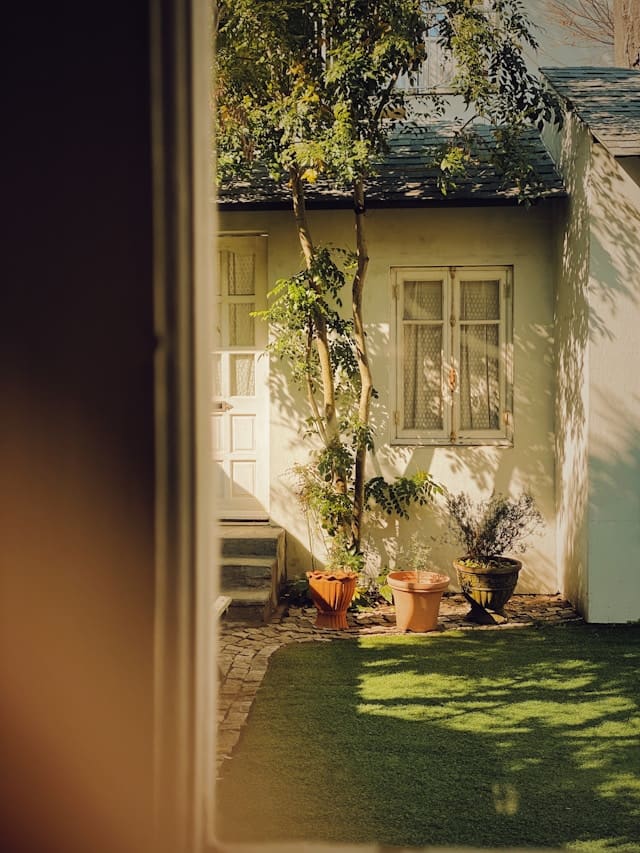
Many property owners feel they are "entitled" to sunlight and to the view as it existed when they bought the land. The legal reality is different. The boundary between what you must tolerate as an owner and what already amounts to an impermissible interference with the right of ownership depends on the type of interference, its intensity and the specific circumstances of the case.
Shading can be caused not only by dense greenery but also by a new building on the neighbouring land.
Building-intent proceedings – the decisive moment. With new buildings, it is crucial to act in time. The building authority assesses the siting of the building and the distances between buildings under the Decree on general technical requirements for construction. If you are concerned that the planned building will not be sited in accordance with the law, you must raise objections already in the building-intent proceedings. These proceedings replace the former "building-permit proceedings". Within them, the building authority may also require a daylighting expert report where it is necessary to prove compliance with the requirements for daylight and insolation under the technical regulations.
A civil action comes into play only once the interference materialises: In a civil dispute under the Slovak Civil Code the situation is different. The court provides protection against nuisances that are already interfering with the exercise of the right of ownership – that is, against effects that have already manifested themselves (noise, odours, excessive shading by an existing building and the like).
Planting trees on one's own land is initially not restricted in any way. The problem arises only years later, when the trees have grown and begin to cast shade.
Although "light nuisance" is not explicitly defined in statute, the case law recognises it, particularly where artificial sources are involved – powerful floodlights, mirrors or other lighting installations. In assessing the degree of disturbance, guidance is taken from the limits set out in the decree on optical radiation in the environment. If the intensity of the light exceeds ordinary bounds and prevents the proper use of living rooms, the court may order the neighbour to refrain from such conduct.
Unwelcome news for many owners: Slovak law does not recognise a "right to a view" as an automatic component of the right of ownership. If your neighbour erects a building on their own land that blocks your panorama of the landscape, this is not, legally speaking, an interference with your right of ownership that you could challenge.
The only exception is where your view is legally secured by an easement (i.e. the neighbour has contractually undertaken not to build or plant trees on a certain part of the land).
Legal services:
We help property owners deal with situations where interference from neighbouring land restricts the peaceful enjoyment of their property.
Contact us for a no-obligation consultation.