This article deals with neighbour relations and so-called nuisances (imisie) under § 127 of the Slovak Civil Code. It distinguishes direct nuisances (deliberately channelling effects onto another's land) and indirect nuisances (side effects of an activity such as noise, smoke, dust or odour). It explains that in assessing the unlawfulness of indirect nuisances, the court examines two independent criteria: disturbance beyond a level appropriate to local conditions (taking into account intensity, timing and locality) and serious jeopardy to the exercise of rights. As remedies it discusses preliminary protection by the municipality and a court action, but places primary emphasis on professional assessment, securing evidence and out-of-court settlement.
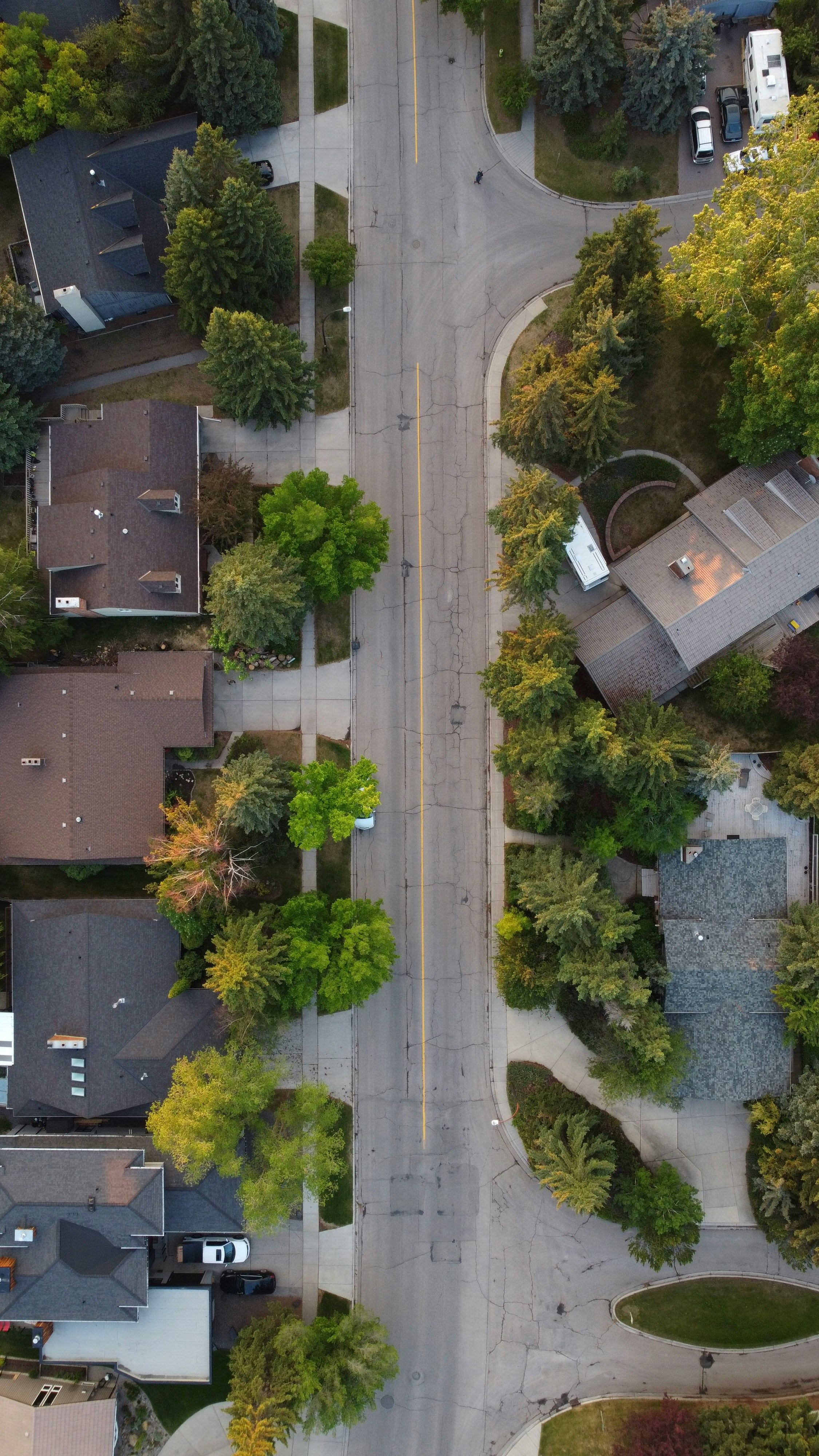
Owning a house or land also carries responsibility for not restricting our neighbours beyond the level set by law. Often, however, the boundary between what a neighbour is still obliged to tolerate and what is already an impermissible interference with their rights becomes blurred. In legal terminology we speak of so-called nuisances (imisie) – that is, the effects of a neighbour's activity penetrating onto your property. A correct understanding of when these effects cross the statutory line is the foundation for resolving a neighbour dispute effectively and calmly, without unnecessary escalation.
In legal theory, nuisances are effects that penetrate from one property onto another. They fall into two basic categories:
When resolving neighbour disputes, it is essential to know that § 127 of the Slovak Civil Code applies primarily to indirect nuisances. The legislature defines two independent conditions under which an owner is obliged to refrain from their conduct:
We perceive noise and vibrations subjectively, but the law assesses them objectively. The key to success is not merely the feeling that "this bothers me", but the ability to prove that the intensity, frequency and duration of the disturbance exceed the level appropriate to the conditions of the locality, or that they seriously jeopardise the exercise of your rights. That is the basic test the courts apply.
Dust, smoke, fly ash, vapours and odours likewise count among the nuisances governed by § 127 of the Slovak Civil Code. In assessing them, what is decisive is intensity, duration and repetition – not the mere existence of an odour or smoke.
The court always examines whether these nuisances exceed the level appropriate to the conditions of the particular environment.
The goal is not litigation, but restoring a state in which the property again serves its purpose. We often find that clients perceive the problem emotionally, but a successful solution requires technical and legal analysis. Most neighbour disputes that end up in court are the result of conflicts accumulating over a long period.
Our approach is pragmatic:
Legal services:
Do you feel that your rights as an owner are being persistently infringed, or are you conversely concerned that your own activity may be perceived as a nuisance? Contact us early.
A professional assessment of the situation will help you choose the right course of action and avoid an escalation that could end in an expensive and protracted court case.