The view that the spouse who earned more money deserves a larger share of the community property of spouses (bezpodielové spoluvlastníctvo manželov, "BSM") on divorce is, under Slovak law, incorrect. Statute and case law expressly provide that unpaid work – caring for children and running the household – is equal to financial income both in quality and in quantity. A non-monetary contribution creates the conditions that allow the other partner to build a career. The starting rule therefore remains parity of shares (50/50), and departures from it occur only in negative extremes (e.g. an unjustified refusal to work or gambling).
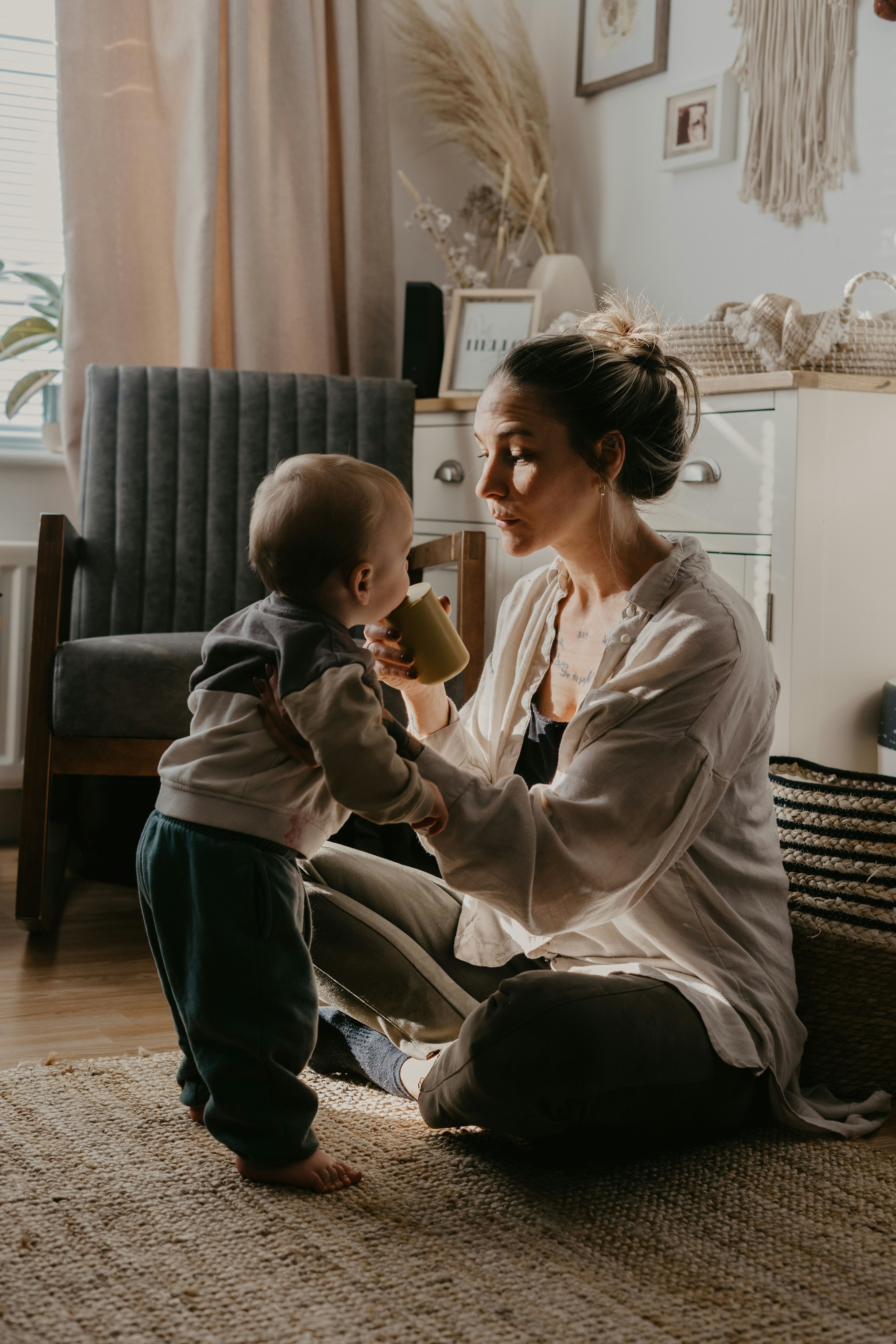
After a divorce, in the subsequent settlement of the community property of spouses (bezpodielové spoluvlastníctvo manželov, "BSM"), we very often encounter a lay view of the non-monetary contribution made to the BSM by one of the spouses, usually the wife. The husband who earned more (or was the sole breadwinner while the other spouse was on maternity or parental leave) feels that he should receive a larger share of the property. The argument usually goes: "I earned the money for the house and the cars – you stayed at home." Under Slovak law and settled judicial practice, however, this view is fundamentally incorrect.
The Slovak Civil Code (§ 150) expressly provides that in the settlement, particular regard is to be had to how each spouse cared for the children and looked after the shared household. A non-monetary contribution in the form of cooking, cleaning, managing the children's needs and looking after the family house or flat is equal to the economic contribution (earning money) both in quality and in quantity. The reason is pragmatic: caring for the children and the household creates the necessary conditions for the other spouse to be economically active at all, to build a career and to earn money.
If we disadvantaged the partner who sacrificed part of their career trajectory for the benefit of the family, we would deny the basic principle of fairness and equality of contributions. Legal theory (including the respected commentaries on the Slovak Civil Code) and the case law of the Supreme Court of the Slovak Republic clearly reject any conclusion that a person who cared for the household should be short-changed when the property is divided. The starting point in dividing the property therefore remains . A departure (so-called disparity of shares) occurs in practice only exceptionally, in negative extremes – for example, where one of the spouses showed no interest in the family, refused to work without justification, or knowingly squandered the couple's money (gambling, debts).
Are you going through a divorce and have questions about dividing the property?
Every situation is unique, but the rights of both spouses must be respected. If you need clear answers and a strategy for your BSM, book a legal consultation.