This article describes the last-resort legal solution to a problem neighbour in an apartment building – a court-ordered sale of the flat under § 11(5) of Slovak Act No. 182/1993 Coll. As this is a fundamental interference with the right of ownership, the courts treat it as ultima ratio (the last resort). The court may order the sale if the owner (or persons living with them) grossly damages the flat or common areas, persistently disturbs the peaceful occupation of others, endangers safety, breaches good morals, or ignores a previous court judgment. The process involves careful gathering of evidence, filing the action (which may be brought by the owners' association or by an individual owner acting alone), the court proceedings, and the forced sale of the flat itself in a voluntary auction, the proceeds of which – after deduction of costs and debts – go to the original owner. The author recommends documenting the situation in writing from the outset and coordinating with the building manager.
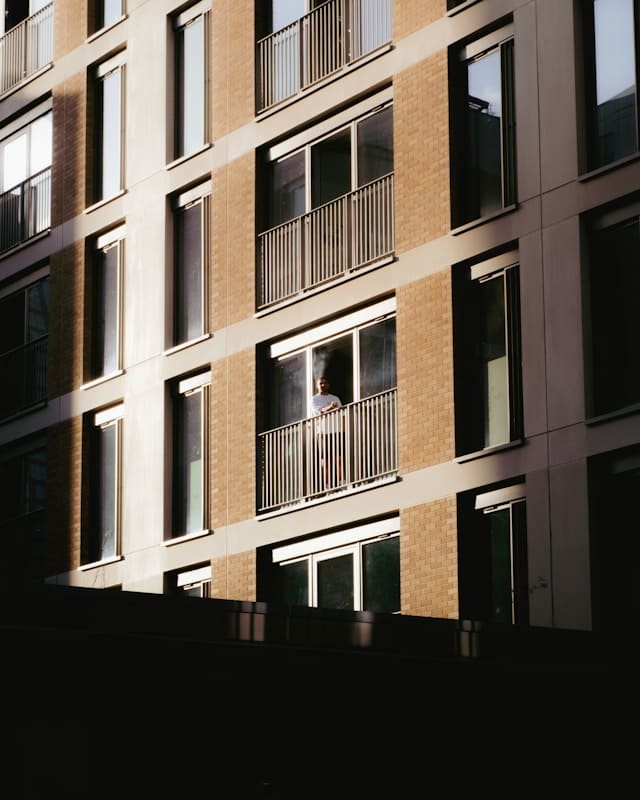
The problem neighbour in an apartment building is one of the most demanding areas of housing law. When persuasion, out-of-court warnings, and fines from the municipal police all fail, the harshest statutory sanction comes into play – a court-ordered sale of the flat.
This institution is governed by § 11(5) of Slovak Act No. 182/1993 Coll. on the ownership of flats and non-residential premises, as amended. It represents a fundamental interference with the constitutionally protected right of ownership, so the court takes this step only where the strict statutory conditions are met and all other options have failed.
The statute precisely defines the categories of unlawful conduct that can lead to an action for an order to sell the flat. The court may order the sale of a flat where the owner (or persons living with them) interferes with the rights of others in a way that restricts them or prevents them from exercising their right of ownership, specifically in the following ways:
If the neighbour's behaviour meets the statutory grounds for ordering the sale of the flat, we recommend proceeding as follows:
1. Gathering evidence:
Since the burden of proof lies with the claimant, it is necessary to prove the persistence of the disturbance, the endangerment of safety, or the breaches of good morals. Evidence includes police reports, witness statements, photographic documentation, audio recordings, written warnings, written notices from the building manager, public-health assessments, or a previous final court decision that the neighbour is ignoring.
2. Filing the action for an order to sell the flat:
The action is brought either by the owners' association (if one is established in the building) or by any individual owner of a flat or non-residential premises in the building. If an owner brings the action on their own behalf, the law does not require the prior consent of the owners' meeting or the collection of signatures.
3. Court proceedings and judgment:
In civil proceedings, the court examines whether the owner's behaviour genuinely restricts or prevents the exercise of the other owners' right of ownership. Since this is an interference with the constitutional right to own property, the court will order the sale of the flat only if the violations are proven and milder measures (e.g. fines) have failed.
4. Forced sale of the flat at auction:
Once the judgment ordering the sale becomes final, it serves as the basis for conducting a voluntary auction (under the Slovak Act on Voluntary Auctions). The flat is auctioned off; the auction costs and any debts owed to the building's operation, maintenance and repair fund are paid from the proceeds, and the remainder of the money is paid out to the original owner.
In court practice, the application of § 11(5) of the Slovak Act on the ownership of flats is regarded as ultima ratio – the extreme, last-resort solution, used only when no other sanction or persuasion works. Courts are cautious in their decision-making, so the action must be legally precise and the evidence must be properly secured.
Legal services:
If you are interested in legal services, we will help you set up the correct procedure, evaluate the evidence, and prepare the action so that it meets all statutory and procedural requirements.
Contact us for a no-obligation consultation.